

Winter Ticks Are Still Active in Central Ohio: What New Albany Pet Owners Need to Know
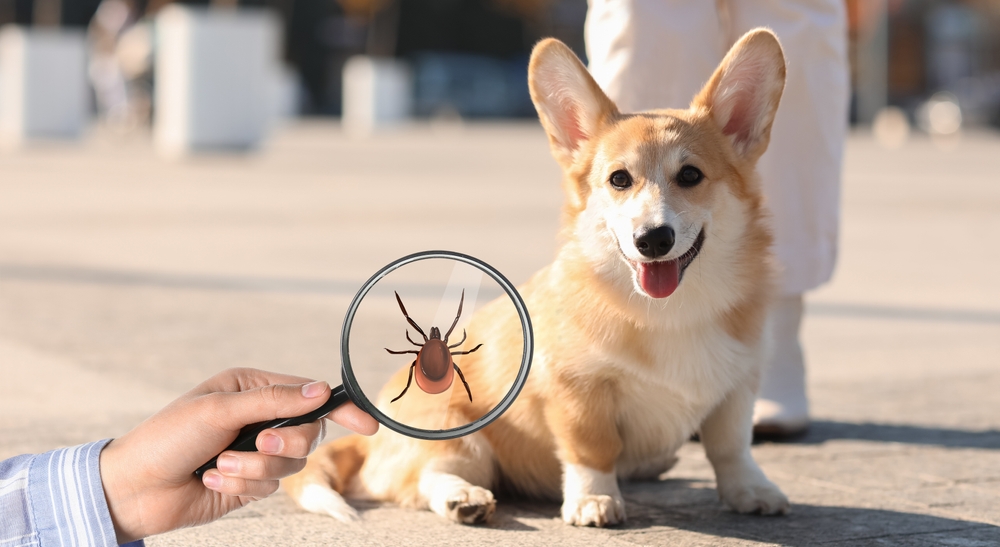
Many pet owners in New Albany, Ohio believe ticks disappear once winter arrives—but in central Ohio, ticks remain a year-round concern. Thanks to our fluctuating winter temperatures, ticks can stay active anytime the temperature rises above 35°F. In fact, our region typically experiences 15 or more days each month—even during winter—when temperatures exceed 35 degrees, allowing ticks to survive and seek hosts.
Why Ticks Are Active Year-Round in New Albany, Ohio
Ticks don’t follow the calendar—they respond to temperature and environmental conditions. During Ohio winters, brief warm spells, thawed ground, and leaf litter provide ideal conditions for ticks to remain active. Areas around New Albany, including parks, wooded trails, neighborhood green spaces, and even backyards, can still expose pets to ticks throughout the winter months.
Winter Tick Bites Can Still Spread Disease
Ticks found in central Ohio can transmit serious diseases such as Lyme disease, Ehrlichiosis, Anaplasmosis, and Rocky Mountain spotted fever—even in winter. These tick-borne illnesses can cause symptoms like lethargy, fever, joint pain, decreased appetite, and long-term health issues if left untreated. Because symptoms may appear weeks or months after exposure, prevention is critical.
Why We Recommend Year-Round Tick Prevention in Central Ohio
Due to Ohio’s mild winter fluctuations, veterinarians strongly recommend year-round flea and tick prevention for dogs—and cats when appropriate. Skipping preventatives during winter can leave pets vulnerable during those warmer days when ticks re-emerge. Consistent protection is the safest and most effective way to reduce your pet’s risk.
Tips for Protecting Your Pet from Ticks This Winter
New Albany pet owners can help protect their pets by:
Keeping pets on vet-recommended tick prevention year-round
Performing tick checks after walks or outdoor play—even in winter
Checking common hiding spots like ears, neck, armpits, paws, and under collars
Contacting your veterinarian if you find a tick or notice unusual symptoms. We can help you submit these found ticks to The Ohio State University for further testing to continue to gain knowledge on the species of ticks and tick diseases that are found in central Ohio.
Trusted Tick Prevention for New Albany Pets
At Animal Hospital of New Albany, we understand the unique parasite risks facing pets in New Albany and central Ohio. Our veterinary team can recommend the best flea and tick prevention options based on your pet’s lifestyle, age, and health needs. If you have questions about winter ticks or want to ensure your pet is protected year-round, we’re here to help.



Contact Info
Hours of Operation
- Monday 8:30 AM - 6:00 PM
- Tuesday 8:30 AM - 6:00 PM
- Wednesday 8:30 AM - 6:00 PM
- Thursday 8:30 AM - 6:00 PM
- Friday 8:30 AM - 5:00 PM
- Saturday Closed
- Sunday Closed
Contact Form
© 2026 Animal Hospital of New Albany. All rights Reserved. Accessibility Statement - Privacy Policy - Sitemap
Powered by:
