

Why Indoor Cats Still Need Regular Veterinary Visits
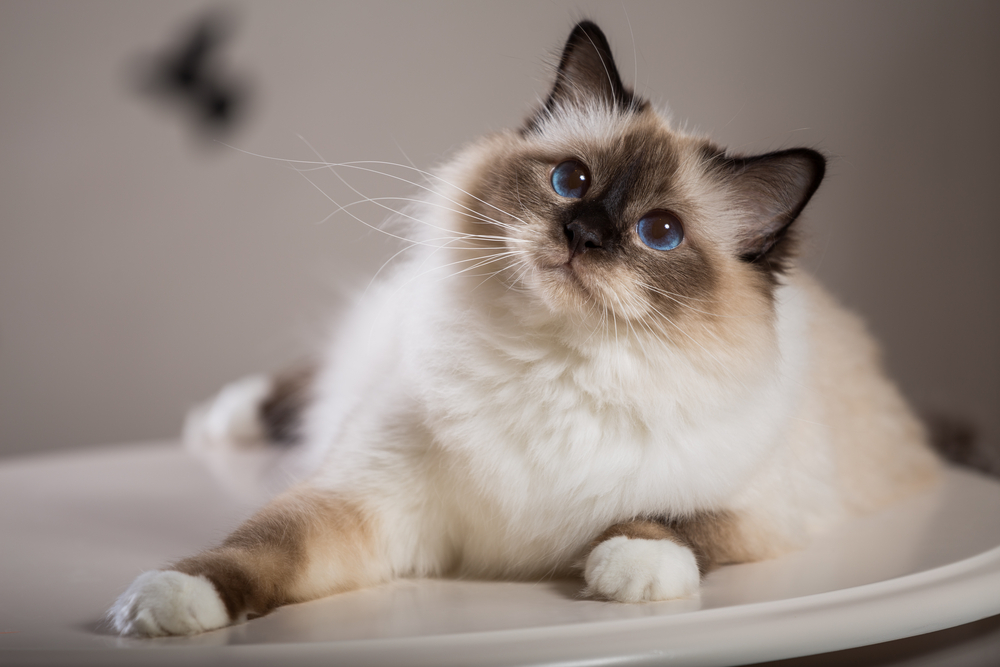
It’s a common belief among cat owners: “My cat never goes outside, so they don’t really need to see the vet very often.”
We hear this all the time — and we get it. Indoor cats are protected from many outdoor dangers like cars, predators, and weather extremes. But living indoors doesn’t make a cat immune to illness, pain, or age-related changes.
At Animal Hospital of New Albany, we see many indoor cats who appear perfectly healthy on the outside but are quietly dealing with medical issues that only a veterinary exam can detect.
Cats Are Masters at Hiding Illness
Cats have evolved to hide signs of pain or disease. In the wild, showing weakness could make them vulnerable — and that instinct hasn’t gone away just because they live on your couch.
Subtle changes like:
Sleeping more than usual
Decreased jumping or playing
Slight weight loss or gain
Changes in grooming habits
are often the only early signs of conditions such as arthritis, kidney disease, dental disease, or hyperthyroidism. Regular veterinary visits help us catch these issues before they become serious or painful.
Preventive Care Isn’t Just for Outdoor Cats
Even indoor cats benefit from preventive care, including:
Routine physical exams
Dental evaluations
Parasite prevention (fleas can hitch a ride indoors on people or other pets)
Vaccinations, tailored to your cat’s lifestyle and risk level
Indoor cats can still be exposed to diseases through open windows, new pets, fostered pets, boarding facilities, or even brief accidental escapes.
Weight, Nutrition, and Behavior Matter
Obesity is one of the most common health problems we see in indoor cats. Extra weight increases the risk of diabetes, arthritis, urinary issues, and heart disease.
During regular visits, we:
Monitor your cat’s weight and body condition
Review diet and feeding habits
Discuss enrichment and activity to keep indoor cats mentally stimulated
Behavior changes — like litter box avoidance, aggression, or hiding — are often medical in origin. A vet visit can help uncover the root cause.
Aging Happens Indoors Too
As cats age, their risk for chronic conditions increases — even if they’ve never set paw outside. Senior cats benefit from:
More frequent exams
Routine bloodwork to detect early organ changes
Blood pressure checks
Pain assessments
Early detection means more treatment options, better quality of life, and often lower long-term costs.
Regular Visits Reduce Stress Over Time
Ironically, skipping vet visits can make future visits more stressful. Cats that come in regularly tend to:
Be more familiar with the environment
Experience less fear during exams
Allow us to handle them more comfortably
We work hard to make visits as calm and cat-friendly as possible, and consistent care truly makes a difference.
The Bottom Line
Indoor cats may be safer from outdoor hazards, but they still rely on regular veterinary care to stay healthy, comfortable, and happy throughout their lives.
If it’s been more than a year since your indoor cat’s last exam — or if you’ve noticed even small changes — we’re here to help.
📍 Animal Hospital of New Albany is proud to care for cats at every life stage, indoors and out. Call, text or email our clinic any time to schedule your cat's next appointment.



Contact Info
Hours of Operation
- Monday 8:30 AM - 6:00 PM
- Tuesday 8:30 AM - 6:00 PM
- Wednesday 8:30 AM - 6:00 PM
- Thursday 8:30 AM - 6:00 PM
- Friday 8:30 AM - 5:00 PM
- Saturday Closed
- Sunday Closed
Contact Form
© 2026 Animal Hospital of New Albany. All rights Reserved. Accessibility Statement - Privacy Policy - Sitemap
Powered by:
