

Professional Dental Cleanings for Cats & Dogs
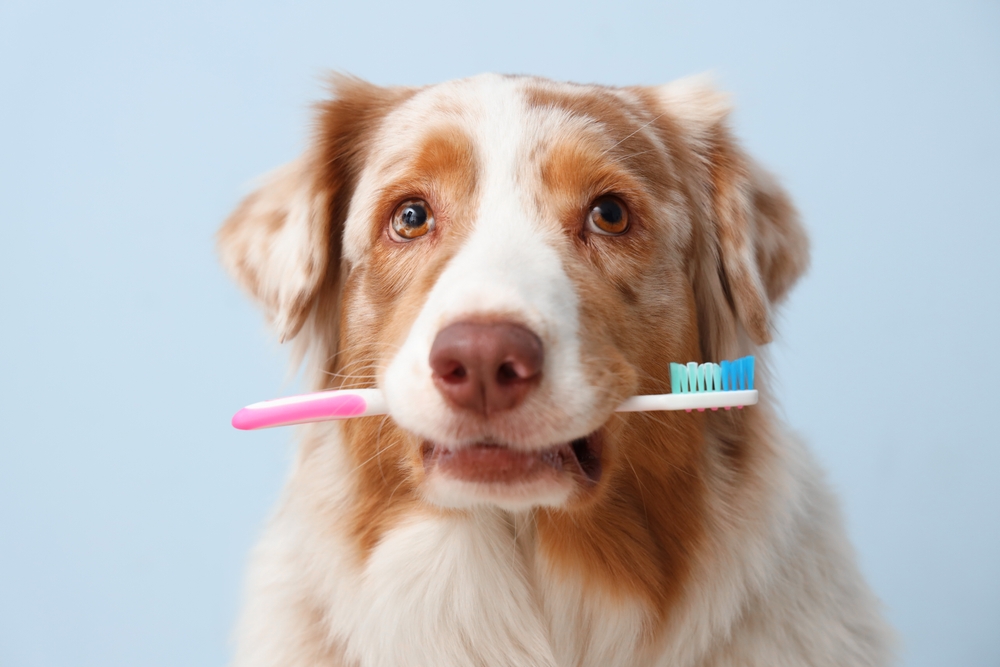
A healthy mouth is an important part of your pet’s overall health. Dental disease is one of the most common health problems in dogs and cats. Plaque and tartar can build up on the teeth, leading to painful inflammation, gum disease, infection, and eventually tooth loss.
A professional dental cleaning allows our veterinary team to thoroughly evaluate your pet’s mouth and clean both above and below
the gumline—areas that cannot be properly cleaned or examined during an awake exam.
How a professional dental cleaning can help your pet A professional dental cleaning can:
- Remove plaque and tartar buildup
- Help prevent and manage periodontal disease
- Reduce bacteria and oral infection
- Help identify painful or diseased teeth
- Allow us to evaluate areas beneath the gumline
- Improve bad breath caused by dental disease
- Help protect your pet’s comfort and overall health
- Professional dental cleanings are performed under anesthesia
- A thorough dental cleaning cannot be safely or effectively performed on an awake pet.
- Anesthesia allows your pet to remain still and comfortable while our team carefully examines, cleans, and evaluates their entire mouth.
During the procedure, your pet will receive:
- A pre-anesthetic examination
- Blood testing as recommended based on your pet’s age, health, and
- medical history
- An individualized anesthetic plan
- Continuous monitoring of vital signs throughout anesthesia
- A complete oral examination
- Professional cleaning above and below the gumline
- Tooth polishing
- Dental X-rays
- Appropriate treatment recommendations if dental disease is discovered
- Careful monitoring during recovery
What to expect during your pet’s dental procedure:
1. Awake oral examination
We begin with an examination of your pet’s mouth while they are awake. This allows us to look for visible tartar, gum inflammation, loose or damaged teeth, and other concerns.
Some dental disease, however, cannot be fully evaluated while your pet is awake. Disease can be hidden below the gumline, which is why a complete dental assessment requires anesthesia and, when indicated, dental X-rays.
If we recommend a professional dental cleaning, we’ll schedule a separate appointment and provide you with instructions for preparing your pet.
2. Drop-off and pre-anesthetic testing
Dental procedures are typically scheduled as morning drop-off appointments, with your pet going home later the same day.
Before anesthesia, our team will perform a physical examination and recommended pre-anesthetic testing. Bloodwork may include a complete blood count, organ-function testing, and electrolyte evaluation.
If your pet’s examination or test results raise a concern about anesthesia, we’ll contact you to discuss the findings. Additional testing, treatment, or rescheduling may be recommended when appropriate.
Please keep your phone nearby on the day of your pet’s procedure. Our team may contact you with updates or recommendations.
3. Anesthesia and monitoring
Because pets cannot reliably remain still while their mouths areexamined and treated, professional dental cleanings are performed under general anesthesia.
Anesthesia allows our team to safely examine every part of your pet’s mouth, including areas that are difficult or impossible to evaluate
while awake.
Your pet’s vital signs are continuously monitored throughout the procedure and during recovery so that our team can respond promptly to any changes.
4. Complete dental cleaning and oral evaluation
Once your pet is safely anesthetized, we can perform a much more thorough examination.
A professional dental cleaning typically includes:
- Ultrasonic scaling to remove plaque and tartar
- Hand scaling where appropriate
- Cleaning above and below the gumline
- Tooth polishing
- Detailed examination of the teeth and gums
- Dental X-rays
- Dental X-rays are especially valuable because they can reveal problems hidden beneath the gumline, including disease affecting tooth roots and surrounding bone.
If we discover dental disease that requires additional treatment, we’ll contact you to discuss our recommendations and any additional
procedures that may be needed.
Depending on what we find, recommendations may include additional dental X-rays, tooth extractions, local anesthetic nerve blocks for pain control, oral surgery, or other appropriate treatments.
5. Recovery and going home
After the procedure, your pet will continue to be closely monitored while recovering from anesthesia.
When your pet is awake, comfortable, and ready to go home, a member of our team will contact you with discharge instructions and let you know when to pick them up.
Depending on what was found and treated, we’ll provide instructions regarding:
- Feeding and diet
- Activity restrictions
- Oral care at home
- Pain medication, when needed
- Medications or other treatments
- Follow-up care
- We’ll also discuss ways you can help maintain your pet’s dental health between professional cleanings.
Give your pet a healthier smile
Regular dental care can help prevent painful dental disease and allow problems to be identified before they become more advanced. We recommend using VOHC.org approved dental products to help slow periodontal disease between these dental cleanings.
If you’re concerned about your pet’s teeth, breath, chewing habits, or gums, talk with our veterinary team. We can evaluate your pet’s oral health and help determine whether a professional dental cleaning is recommended.



Contact Info
Hours of Operation
- Monday 8:30 AM - 6:00 PM
- Tuesday 8:30 AM - 6:00 PM
- Wednesday 8:30 AM - 6:00 PM
- Thursday 8:30 AM - 6:00 PM
- Friday 8:30 AM - 5:00 PM
- Saturday Closed
- Sunday Closed
Contact Form
© 2026 Animal Hospital of New Albany. All rights Reserved. Accessibility Statement - Privacy Policy - Sitemap
Powered by:
