

Halloween Can Be Scary for Our Pets, Too!
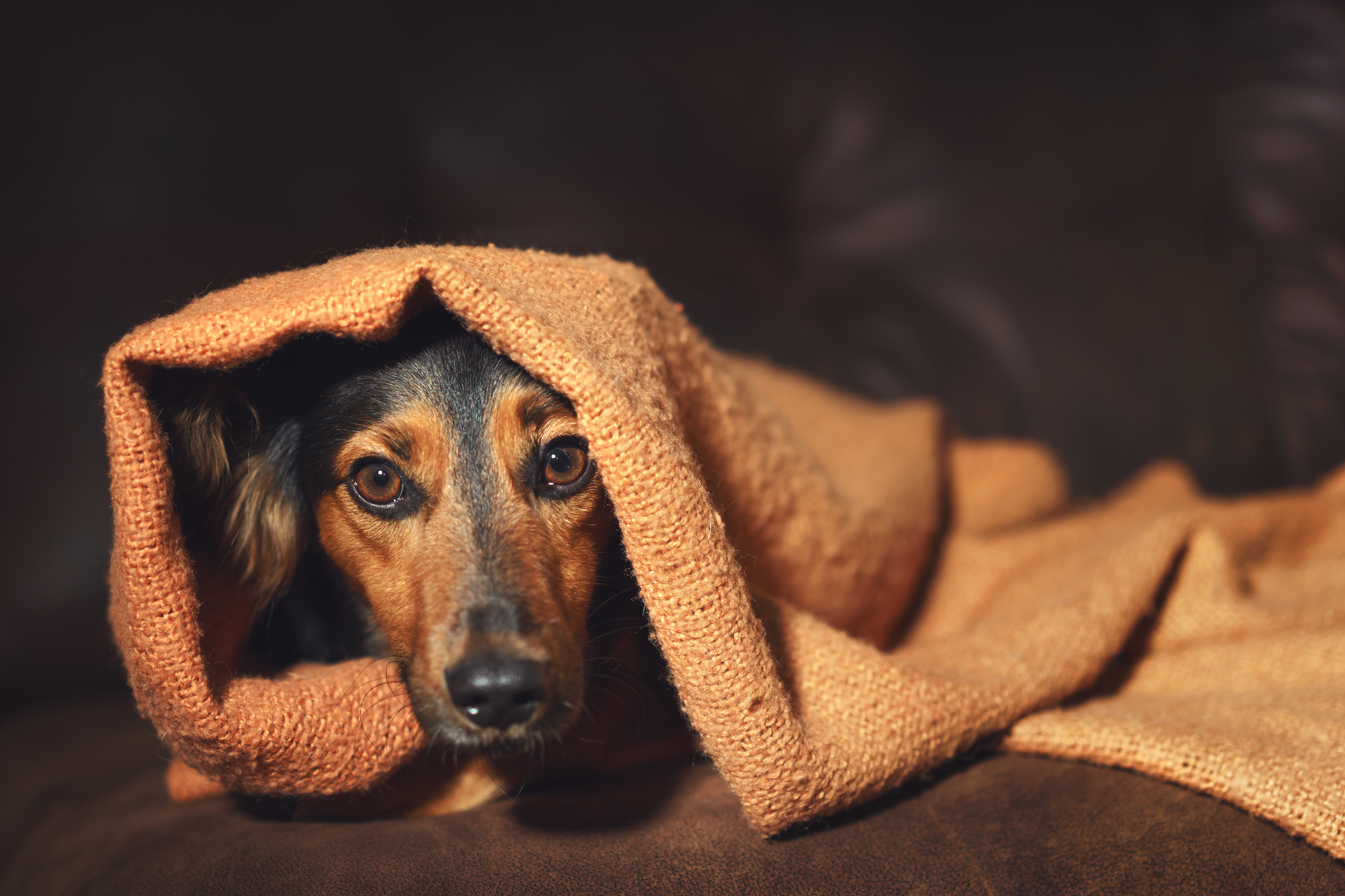
Halloween is a fun time of year for families, filled with costumes, decorations, candy, and trick-or-treating. But while we enjoy the spooky season, Halloween can be confusing, stressful, and even dangerous for our four-legged family members!
At Animal Hospital of New Albany, we want to help you and your pets enjoy a safe and happy Halloween. With a little extra preparation, you can minimize stress and protect your pets from some of the holiday's most common hazards.
Trick-or-Treating Can Be Stressful for Pets
Imagine someone ringing your doorbell every few minutes, followed by a parade of strangers wearing unusual clothing, masks, and costumes! For many pets, this can be frightening and overwhelming.
Frequent doorbell rings and visitors can cause anxiety, barking, and attempts to escape. Even friendly, well-socialized dogs may become startled by people in unfamiliar costumes. Cats may also become frightened by the increased activity around the house.
Here are a few ways to help:
Create a quiet, safe space. Set up a comfortable room away from the front door with your pet's bed, favorite toys, fresh water, and some familiar comforts.
Consider keeping your pet away from the front door. Use a closed door, baby gate, or crate if your pet is comfortable in one. This helps prevent accidental escapes when trick-or-treaters arrive.
Keep identification current. Make sure your pet wears a properly fitted collar with identification tags, and verify that their microchip registration information is up to date. If your pet isn't microchipped, then we can do that at any regular appointment here at the Animal Hospital of New Albany.
Use background noise. Soft music, a television, or a white-noise machine may help mask the sounds of the doorbell and visitors.
Don't force interactions. If your pet seems nervous around people in costumes, let them remain in their safe space rather than encouraging greetings.
If your pet is especially anxious, talk with your veterinarian ahead of time about ways to reduce their stress. Some pets may benefit from behavioral strategies or veterinarian-recommended anti-anxiety medication.
Strange Costumes, New Lights, Sounds, and Smells
Halloween brings many unfamiliar sights, sounds, and smells into our homes and neighborhoods. Inflatable decorations, flashing lights, motion-activated figures, fog machines, and spooky sound effects may be entertaining to us, but they can startle our pets.
Pets rely heavily on their senses to understand their surroundings. Sudden noises, unusual movements, and unfamiliar appearances can cause fear or confusion.
To help your pet feel more comfortable:
Introduce decorations gradually, especially those that move, light up, or make noise.
Keep electrical cords, wires, and small decorative pieces out of reach to prevent chewing or accidental ingestion.
Avoid placing decorations where pets may knock them over or become tangled in them.
Be cautious with candles and open flames. Wagging tails and curious paws can easily cause burns or knock over a candle.
Keep pets away from fog fluids, artificial spiderwebs, glow sticks, and other decorative materials they might chew or swallow.
Supervise pets around Halloween costumes. If your pet wears a costume, make sure it fits comfortably, allows normal movement and breathing, and does not restrict vision or hearing.
Remember, your pet doesn't need to participate in every Halloween activity to have a good holiday. Sometimes, a cozy evening in a quiet room is the best treat of all!
Keep Halloween Candy and Treats Out of Reach
Halloween candy is one of the biggest hazards for pets. Many popular treats contain ingredients that can make dogs and cats seriously ill.
Keep all candy, treat bags, and trick-or-treating buckets well out of your pet's reach. Remind children not to share their Halloween goodies with furry family members.
Watch out for these common hazards:
Chocolate: Chocolate contains theobromine and caffeine, which are toxic to dogs and cats. Dark chocolate and baking chocolate are especially concerning.
Xylitol: This sugar substitute, found in some sugar-free candies, gum, and other products, can cause a dangerous drop in blood sugar in dogs and may cause liver injury.
Raisins: Raisins and grapes can cause kidney injury in dogs.
Candy wrappers: Foil and plastic wrappers can cause choking or intestinal obstruction if swallowed.
High-fat treats: Rich candies and other fatty foods may cause digestive upset and can contribute to pancreatitis.
Keep candy bowls on high counters or behind closed doors, and make sure children know not to leave candy where pets can reach it.
If your pet eats Halloween candy or another potentially harmful substance, contact your veterinarian or an animal poison control service promptly. Do not wait for symptoms to develop, and do not induce vomiting unless a veterinary professional instructs you to do so.
Be Careful with Halloween Plants and Decorations
Seasonal decorations can create additional risks for curious pets. Artificial spiderwebs, plastic decorations, ribbons, and small pieces of costume accessories may cause choking or intestinal blockages if swallowed.
Keep these items out of reach, and supervise pets around unfamiliar decorations.
If you bring seasonal plants into your home, check that they are safe for your pets. Some decorative plants and flowers can be toxic, and lilies are particularly dangerous to cats. Even when a decoration is labeled as artificial, its small parts may still pose a hazard if chewed or swallowed.
Don't Forget Outdoor Safety
If your dog joins you for a walk or outdoor Halloween festivities, take a few extra precautions.
Keep dogs on a leash. Even normally calm dogs may become startled by costumes, loud noises, or unexpected activity.
Use reflective gear. A reflective collar, leash, or light-up accessory can help drivers see your pet after dark.
Avoid crowded areas if your pet is nervous. A busy sidewalk full of excited children and unfamiliar costumes may be overwhelming.
Keep cats indoors. Halloween brings increased foot and vehicle traffic, and outdoor cats may be frightened by unusual activity.
Check the yard and walkways. Remove candy, wrappers, broken decorations, and other items your pet might eat or step on.
Never leave a pet unattended outside during Halloween festivities. A frightened pet may run away, even if they usually stay close to home.
Should Your Pet Wear a Halloween Costume?
Dressing up your pet can be adorable, but comfort and safety should always come first.
If you choose a costume, make sure it:
Fits properly without being too tight or too loose.
Allows unrestricted breathing, walking, and normal movement.
Does not cover the eyes, ears, or mouth.
Has no small pieces, dangling strings, or accessories that could be chewed off and swallowed.
Watch your pet's body language. If they repeatedly try to remove the costume, freeze, hide, pant excessively, or seem distressed, take it off. A festive bandana or seasonal collar may be a better choice for pets who dislike costumes.
Make Halloween a Treat, Not a Scare!
Halloween should be enjoyable for every member of your family,
including those with four paws. A quiet retreat, a little extra supervision, and a few simple safety precautions can go a long way toward preventing stressful situations and accidental injuries.
At Animal Hospital of New Albany, we're here to help you keep your pets healthy and safe throughout the year. If you have questions about Halloween hazards, your pet's anxiety, or what to do if your pet gets into something they shouldn't, please reach out to our team.
From all of us at Animal Hospital of New Albany, have a safe, happy, and fright-free Halloween!


Contact Info
Hours of Operation
- Monday 8:30 AM - 6:00 PM
- Tuesday 8:30 AM - 6:00 PM
- Wednesday 8:30 AM - 6:00 PM
- Thursday 8:30 AM - 6:00 PM
- Friday 8:30 AM - 5:00 PM
- Saturday Closed
- Sunday Closed
Contact Form
© 2026 Animal Hospital of New Albany. All rights Reserved. Accessibility Statement - Privacy Policy - Sitemap
Powered by:
